How a General Dentist in Aurora Handles Routine and Preventive Care
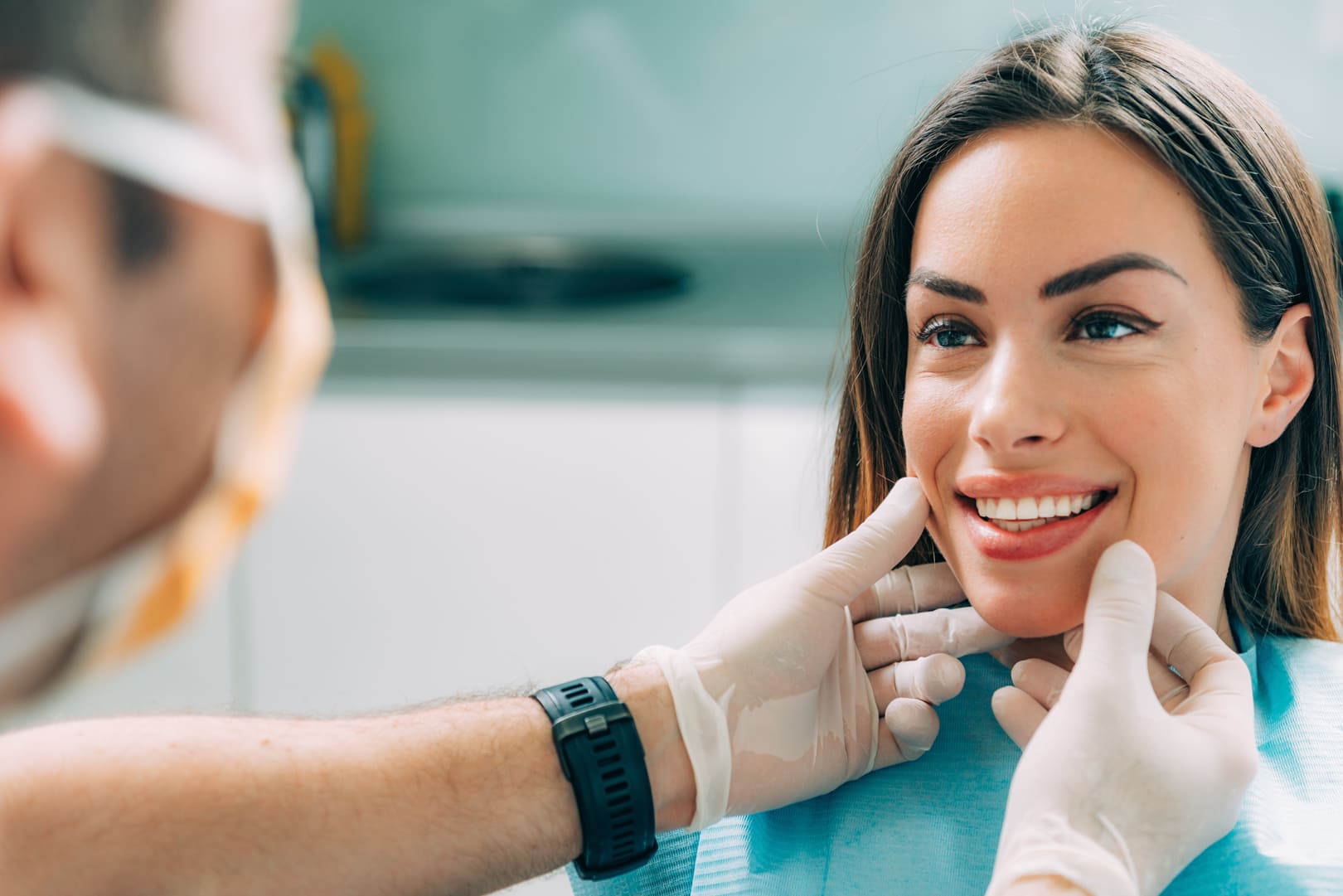

Routine and preventive dentistry is rarely dramatic, but it is where most of the real work happens. Fillings, crowns, and emergency visits get attention because they solve a visible problem. Preventive care is quieter. It catches small changes before they become expensive, painful, or hard to reverse. In a busy practice, that steady, methodical work is what protects teeth over decades.
A general dentist in Aurora usually serves patients across every stage of life. The same day might include a child coming in for a first cleaning, a working adult who has delayed care for two years, and a retiree managing dry mouth, worn enamel, and an older bridge. Preventive care has to adapt to each of them. The basics are familiar, but the judgment behind those basics is what makes the care effective.
When people hear “routine care,” they often picture a quick polish and a reminder to floss. In practice, a thorough preventive visit involves assessment, pattern recognition, patient education, and a plan that fits real life. Some patients need reinforcement around home care. Others need closer periodontal maintenance, night guards for grinding, or fluoride because medications have changed their saliva flow. Good preventive dentistry is never one-size-fits-all.
What “routine care” actually covers
In a well-run general practice, routine and preventive care usually starts with regular recall visits. For many healthy adults, General Dentist Aurora that means every six months. For others, the timing changes. A patient with a history of gum disease may need cleanings every three or four months. Someone with frequent decay, orthodontic appliances, or a very dry mouth may also need closer follow-up.
These visits are not simply calendar events. They are checkpoints. A general dentist compares current findings with prior records, x-rays, photographs, and charting to spot subtle movement in the wrong direction. A tiny area of decalcification near the gumline, slight bleeding in one quadrant, or a worn edge on a front tooth can tell a much bigger story if it appears repeatedly over time.
Most routine appointments include several core elements:
- A review of medical history, medications, and any new symptoms
- A clinical exam of teeth, gums, bite, soft tissues, and existing dental work
- Professional cleaning tailored to the patient’s level of buildup and gum health
- Diagnostic imaging when needed, often bitewing x-rays at appropriate intervals
- Preventive guidance, which may include fluoride, sealants, home care adjustments, or follow-up timing
That sounds straightforward, but each part carries weight. A medication update, for example, can change caries risk overnight. Patients starting antidepressants, antihypertensives, allergy medications, or certain autoimmune treatments often notice a dry mouth they did not expect. Less saliva means less natural buffering, and that can accelerate decay around old fillings or along exposed roots.
The first few minutes often reveal the most
Experienced dentists pay close attention before instruments ever touch a tooth. The way a patient describes sensitivity matters. So does whether they point to one spot or gesture vaguely across a side of the mouth. A person who says, “Cold stings near the lower left for a few seconds,” presents a different picture from someone who says, “Everything hurts when I chew, especially in the morning.” One may have recession or an early cavity. The other may be clenching heavily at night.
Routine preventive care begins with listening. Has brushing become uncomfortable? Has food started trapping between two back teeth? Is there occasional bleeding when flossing, or bleeding every single time? Did a crown placed years ago start feeling rough at the edge? Patients often dismiss these changes because they seem minor. Dentists do not. Small complaints are often early clues.
In Aurora, as in many growing communities, general practices see a broad mix of patients with different work schedules, insurance situations, and health priorities. Some come faithfully every six months. Others return after years away because a chipped tooth finally bothered them enough to schedule. A skilled General Dentist Aurora patients trust has to meet both groups without judgment, then rebuild a preventive rhythm from wherever they are starting.
The cleaning is not the whole appointment
Patients understandably focus on the cleaning because it is the most tangible part of the visit. Teeth feel smoother afterward, surface stain is reduced, and the mouth feels fresher. Still, a preventive cleaning is not just cosmetic maintenance.
For patients with healthy gums, the hygienist removes plaque and calculus above and slightly below the gumline, polishes surfaces, and reviews home care. For patients with deeper pockets or a history of periodontal disease, the cleaning may be more detailed and medically focused. The aim shifts from routine maintenance to controlling inflammation and bacterial load before bone support is compromised.
There is an important distinction here. A standard preventive cleaning is for mouths without active periodontal disease. If someone has significant tartar buildup below the gumline, bleeding, pocketing, or bone loss, the proper treatment may be scaling and root planing or periodontal maintenance rather than a routine cleaning. Good offices explain that difference clearly. Patients can feel frustrated when they expected “just a cleaning,” but honest diagnosis matters more than convenience.
I have seen many adults surprised by how quietly gum disease can develop. Teeth may not hurt. Chewing may seem fine. Yet the gums bleed, the breath changes, and x-rays show bone loss that has been progressing for years. This is exactly why routine visits matter. By the time gum disease causes looseness, treatment is more involved and outcomes are less predictable.
Exams are about patterns, not isolated findings
A cavity rarely appears out of nowhere. Gum recession usually has contributors. Worn enamel, fractured fillings, and inflamed tissue all tend to leave a trail. Dentists are trained to read that trail.
A small cavity between teeth may point to flossing challenges, but it may also reflect crowded alignment, diet habits, reduced saliva, or an old contact that traps food. General dentists are constantly making these connections. They are not just diagnosing “a problem tooth.” They are asking why this problem appeared here, now, and whether it is likely to happen again.
That pattern-based approach shapes preventive recommendations. A patient with repeated decay around older fillings may need shorter recall intervals, prescription fluoride toothpaste, and a conversation about sipping sugary coffee through the morning. Another patient with General Dentist Aurora flattened chewing surfaces and sensitive jaw muscles may need a night guard more than another lecture about brushing technique.
This is one reason routine care feels more personal in a practice that takes time to know its patients. The recommendations become specific. They stop sounding like generic advice and start addressing the actual reasons a person is losing ground.
X-rays and imaging, used with judgment
Some patients worry that x-rays are ordered automatically. In good preventive care, they are not. Imaging is used based on history, risk, symptoms, and time since the last set. Bitewing x-rays are especially valuable because they show the areas between back teeth where cavities often hide and where early bone changes can become visible.
A visual exam alone cannot reliably detect every problem. Interproximal decay, defects beneath existing restorations, and early periodontal changes may not show clearly without imaging. At the same time, more imaging is not always better. A thoughtful dentist balances diagnostic value with appropriate intervals and individual need.
Children and teens may need images at different frequencies than adults. Someone with many restorations, frequent decay, or gum disease may need closer monitoring than a low-risk patient with excellent home care and stable findings over many years. Preventive dentistry works best when tools are applied selectively, not mechanically.
Fluoride, sealants, and other simple measures that prevent expensive problems
Preventive care often succeeds through small interventions. Fluoride is a good example. It is easy to underestimate because it is familiar. Yet in the right patient, fluoride can make a meaningful difference by strengthening enamel and helping reverse very early demineralization before it turns into a cavity that needs drilling.
Adults benefit too, not just children. This comes up often with root exposure. As gums recede, the root surfaces become more vulnerable because they are softer than enamel. A patient in their fifties or sixties who has never had many cavities can suddenly become decay-prone at the gumline. Topical fluoride, home products, and more frequent maintenance can slow that shift significantly.
Sealants are another preventive measure that tends to be associated with kids, but for the right patient they remain practical and effective. Deep grooves in molars can trap bacteria even when brushing habits are good. Sealing those grooves early can prevent the kind of small pit-and-fissure decay that later turns into a filling on a young permanent tooth.
These measures are not glamorous, but they are economical and conservative. Patients often appreciate them more when the reasoning is explained plainly. A ten-minute preventive service today can prevent a restoration that will need maintenance, repair, or replacement for years afterward.
Home care advice should fit real habits
One of the biggest differences between generic dentistry and thoughtful dentistry is whether advice fits the patient’s life. Telling everyone to brush twice a day and floss more is technically fine, but not especially useful. Most adults already know the basics. What they need is help applying those basics to their own obstacles.
Consider a few common examples. A patient with crowded lower front teeth may clean better with floss picks or interdental brushes than with traditional string floss alone. Someone with recession and abrasion near the gumline may need a softer touch, not “more brushing.” A person who snacks on dried fruit at a desk all afternoon may be doing more damage than someone who eats dessert once with dinner. A teenager drinking sports drinks after practice may have acid erosion, not just cavity risk.
That kind of coaching is where routine visits earn their value. The advice becomes practical. It can sound like, “Switch to a smaller brush head so you can reach behind the molars,” or, “Rinse with water after the energy drink and wait before brushing,” or, “Use the prescription fluoride at night because that is when it stays on the teeth longest.” Specific guidance gets used. Generic guidance gets forgotten.
Preventive dentistry across different ages
Preventive care is not static across a lifetime. The goals change, and so do the likely risks.
For young children, the appointment often focuses on comfort, habit-building, and early detection. The dentist watches how teeth are erupting, whether brushing is effective, and whether diet patterns increase cavity risk. Just as important, the child learns that the dental office is a normal place, not a threatening one. Those early experiences shape future attendance more than many parents realize.
For teenagers, prevention often centers on hygiene around orthodontic appliances, sports mouthguards, diet, and wisdom tooth monitoring when appropriate. This age group can swing quickly from healthy mouths to multiple areas of decalcification if oral hygiene slips around brackets or aligner routines become inconsistent.
Adults in their thirties and forties often present with competing demands. They are busy, they postpone visits, and many grind their teeth without realizing it. Stress, coffee, acidic drinks, rushed hygiene, and delayed treatment all start showing up in subtle wear patterns, fractured fillings, and gum inflammation. This is the age when a routine exam may detect habits that would otherwise cause much larger restorative needs later.
Older adults often face a different set of challenges. Recession, root decay, dry mouth from medications, dexterity changes, and the maintenance of crowns, bridges, implants, or partial dentures become central. Preventive care at this stage is less about pristine perfection and more about preserving function, comfort, and stability.
What a dentist watches for between obvious problems
Patients tend to look for pain. Dentists look for change. Those are not the same thing.
A filling with a slight open margin may not hurt at all, but it can trap bacteria and eventually decay underneath. A crack line in a molar may only show up under certain lighting or magnification, yet it can explain why someone feels occasional sharp pain when chewing seeds or crusty bread. Mild recession on the canine teeth may be the first visible sign of aggressive brushing or nighttime clenching.
Soft tissue screening is another routine part of preventive care that deserves more attention than it gets. During exams, dentists assess the tongue, cheeks, palate, lips, and floor of the mouth for unusual changes. Most findings are benign, often irritation-related, but routine screening matters because patients are not likely to notice subtle lesions themselves.
Bite changes also matter. Teeth that drift, hit differently, or develop new wear facets may indicate grinding, tooth movement after a missing tooth, or failing restorations. Preventive care often catches these shifts before they trigger fractures or temporomandibular joint symptoms.
The reality of missed appointments and delayed care
Life gets in the way. People move, change jobs, lose insurance, care for family members, or simply avoid the dentist because of old experiences. A good general practice recognizes that reality. The goal is not to shame patients for a gap in care. It is to re-establish a baseline and prioritize what matters most.
When someone returns after several years, the visit usually needs more than a simple cleaning. Updated x-rays, a comprehensive exam, and a careful review of old work become important. It is common to find a mix of issues: a few worn fillings, an area of bleeding gums, a crown that still works but needs watching, and maybe one tooth with active decay.
That first return visit can be eye-opening for patients. Many expect either a clean bill of health or catastrophic news. Most often, the truth is in the middle. There may be manageable problems, but their future cost depends on how quickly care resumes and whether the patient settles into a preventive schedule again.
When routine care turns into early intervention
One of the strengths of general dentistry is that the dentist can move quickly from prevention to conservative treatment when needed. If a small cavity is found early, the restoration is usually smaller, simpler, and less expensive. If gingivitis is identified before bone loss occurs, improved home care and professional maintenance may reverse the inflammation. If clenching is caught before teeth fracture, a night guard can prevent extensive repairs.
This is where the phrase “routine care” can be misleading. Preventive visits are not passive. They are active surveillance. They create opportunities to intervene at the earliest practical moment.
Patients sometimes ask whether it is really necessary to come in if nothing hurts. That question makes sense financially and emotionally. The honest answer is that many dental problems are at their easiest to treat precisely when they do not hurt yet. Pain is often a late signal, not an early one.
Practical signs it is time to schedule sooner than planned
A six-month recall works for many people, but certain symptoms deserve earlier attention. Patients do not need to diagnose the cause, they just need to notice the pattern and call.
- Bleeding gums that persist for more than a week or two despite good brushing
- A tooth that becomes newly sensitive to cold, sweets, or biting pressure
- Food trapping repeatedly in the same area
- A rough edge, cracked filling, or crown that feels different
- Chronic dry mouth, especially after a medication change
None of these automatically means a major procedure is coming. Very often, they lead to small adjustments, localized treatment, or preventive steps that stop the issue from spreading.
Why local context matters in a preventive plan
A General Dentist Aurora residents see regularly is not just treating teeth in the abstract. Local practice patterns matter. Communities differ in age mix, commuting routines, school sports participation, and how consistently people can attend appointments. Some offices see many families and build prevention around school calendars. Others care for a large number of professionals who book early morning visits and need efficient maintenance plans that still remain thorough.
Climate and habits can influence care too. Dry indoor air during colder months can amplify dry mouth complaints for some patients. Mouth breathing, seasonal allergies, and heavy coffee consumption can all show up in ways that affect oral tissues and cavity risk. None of these factors changes the fundamentals of dentistry, but they do influence how preventive advice is framed and how often patients may need monitoring.
Patients often underestimate how much continuity helps. Seeing the same office over time allows the dentist and hygienist to detect trends that a single isolated visit cannot reveal. They know whether a small watch area has been stable for three years or changed since the last exam. They remember that a patient struggled with home care after shoulder surgery, or that a teen with braces tends to build calculus quickly behind the lower front teeth. That accumulated context improves preventive decisions.
The best preventive care is collaborative
Dentistry is not something done to a passive patient every six months. The strongest outcomes come from collaboration. The office provides surveillance, cleaning, diagnosis, and targeted recommendations. The patient provides daily maintenance, symptom awareness, and follow-through. When both sides do their part, the result is usually less invasive treatment over time.
This is one reason good general dentists spend time explaining findings in plain language. Patients make better decisions when they understand not just what is wrong, but how fast it is changing, what the conservative options are, and what happens if they wait. A tiny cavity can often be monitored or restored conservatively depending on location and progression. Mild recession may be managed with technique changes and desensitizing products. Early wear may call for a night guard before any bonding or crowns are considered. Those are judgment calls, and patients deserve to understand the trade-offs.
Preventive care, at its best, preserves options. It keeps small problems small. It protects natural teeth longer. It reduces the likelihood that routine aging turns into avoidable dental decline. For most patients, that is the real value of seeing a general dentist consistently. Not because every visit uncovers a crisis, but because the steady attention prevents most crises from developing in the first place.
Aspenwood Dental Associates and Colorado Dental Implant Center
Address: 2900 S Peoria St Ste C, Aurora, CO 80014
Phone number: +13037314037
FAQ About General Dentist Aurora
What is meant by general dentistry?
General dentistry refers to the primary, foundational tier of oral healthcare, focused on the prevention, diagnosis, and treatment of conditions affecting the teeth, gums, and jaw. General dentists serve as a patient's main, long-term dental care provider—much like a primary care physician.
What is general dentistry and orthodontics?
General dentistry and orthodontics are two specialized branches of dental care. General dentistry serves as your primary care for overall oral health, focusing on routine cleanings, fillings, and disease prevention. Orthodontics is a specialized field focused entirely on diagnosing and correcting misaligned teeth and jaw structures using braces or clear aligners.
What are type 3 dental services?
Type 3 dental services typically include major restorative treatments that repair or replace damaged or missing teeth. These services are more complex and costly than preventive or basic dental care. Common examples of type 3 dental services include: Dental crowns.